
)
News: 4 questions utilities need to ask to drive grid modernization efforts
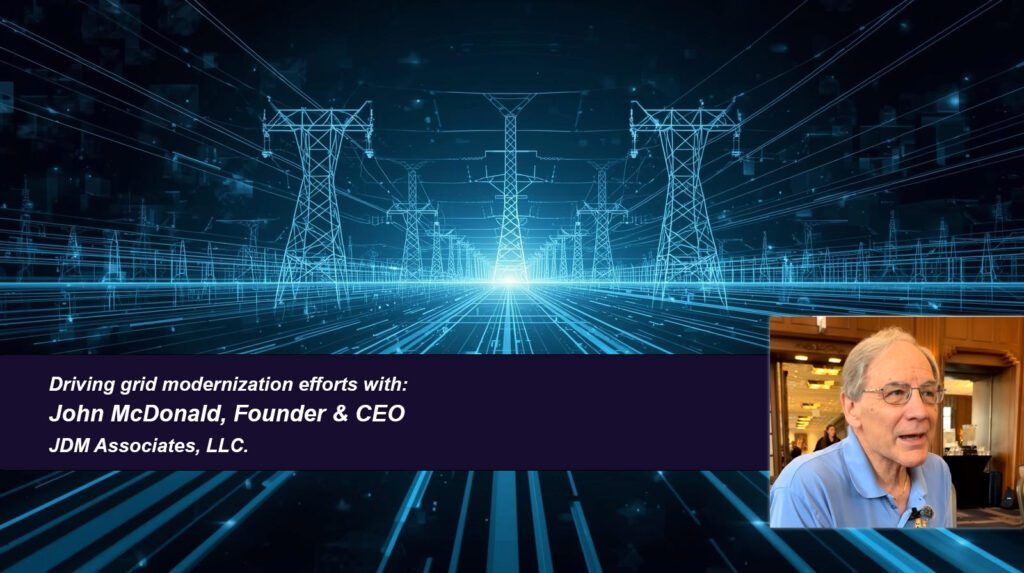
The need for the grid to change and evolve on both a technical and fundamental level has been recognized by utilities across the nation. While most fully understand the need for greater resilience, the challenge lies in defining the specific path forward when it comes to specifics like the integration of Distributed Energy Resources (DERs) or the overhaul of established processes and workflows. Answers to solve these challenges will always be contingent on the questions that are being asked to solve them, and there’s no better place to find those than DTECH, taking place February 2-5 in San Diego. The event features a comprehensive program that includes numerous sessions exploring the most pressing issues in the energy industry.
How does a utility practically define and prioritize asset health data requirements across functions? What factors will most impact the performance, reliability, and security of DER communications? Where is the best place to start to lay the right foundation for scalable, insight-driven asset strategies?
John McDonald, Founder & CEO of JDM Associates, LLC., has been supporting the effort to define those answers for decades. With over fifty years of experience, five co-authored books, and a U.S. patent, he’s a member of the DTECH planning committee that helps program the event. His insights have helped utilities ask the right questions in countless ways, some of which have little to do with the technology itself.
“One of my last questions to panelists when I’m moderating is about the biggest challenge they have in their role or with their team,” McDonald said. “About ninety percent of the time, it’s not technical, but it’s the workforce. That’s the biggest challenge we have. We know we have plenty to do, but we have much more work to do to find and train people that are qualified to do this work.”
McDonald is set to participate in multiple sessions at DTECH 2026, which will explore what it means to solve these cross-industry challenges while also digging all the way into the technology and approaches that will resolve them on a more technical level.
“One of my last questions to panelists when I’m moderating is about the biggest challenge they have in their role or with their team,” McDonald said.
What is the digital foundation for your grid modernization efforts?
A comprehensive deep dive into Supervisory Control and Data Acquisition (SCADA) systems will define two separate sessions at DTECH. Part 1 will cover the fundamentals and the role of SCADA as the digital platform underpinning reliable grid operation. Part 2 will address how SCADA data is utilized for sophisticated applications like Distribution Automation (DA) and Advanced Distribution Management Systems (ADMS). It will also explore the integration of new systems, including DERs (solar PV and storage), the impacts of IT/OT convergence, and best practices for cybersecurity.
It’s an essential series of sessions, as SCADA is the true nervous system of the electric grid. As the grid becomes decentralized and automated, a thorough understanding of this core technology is non-negotiable. These sessions will help utilities outline what it means for them to newly or better establish a digital foundation for all grid modernization efforts. They will also directly explore convergence and cyber risks associated with combining traditional Operational Technology (OT) with modern Information Technology (IT). Perhaps most importantly, these dual sessions will show how foundational SCADA data is leveraged to enable advanced control of systems like ADMS and microgrids, which are key to future resilience that will define grid modernization efforts of all types.
Are you thinking about DER Communications as friends or foe?One of the most pressing challenges of the energy transition is related to ensuring that solar panels, battery storage, and other DERs communicate reliably and securely with the grid. In a session that considers this topic from multiple angles, speakers will focus on the critical decision of optimal protocol selection while comparing and discussing industry standards to ensure this communication takes place.
It’s essential to understand what that has meant for utilities in terms of people and process since the proliferation of customer-owned DERs means the grid is transforming from a one-way street to a much more complex network. Without standardized, robust communication, utilities cannot effectively monitor or dispatch DERs in order to avoid instability or even outages. That type of communication is also connected to cybersecurity challenges, which are a major concern when connecting millions of distributed assets to the critical infrastructure. Effective DER integration requires utilities and developers to understand and analyze the trade-offs between various communication protocols. This session will explore the necessary thinking that enables each to select an architecture that meets their specific needs and situation.
What does it mean to shift from reactive to predictive?Dominion Energy is on a journey to implement a smarter, more predictive approach to asset management. It’s part of their larger efforts to integrate a necessary data foundation and analytical capabilities that will enable asset health intelligence at scale. During a session that will take the pulse of the grid, presenters will showcase how a shift from reactive to predictive can define grid modernization efforts in a big way.
By leveraging data analytics, utilities will be able to anticipate equipment failures before they take place, which will minimize downtime and prevent catastrophic failures. Knowing the true health of a given asset allows utilities to prioritize maintenance and replacement efforts to help extend the life of that asset. This kind of smarter asset health strategy is directly linked to improved grid reliability and resilience, helping utilities ensure that critical components remain operational no matter the situation.
What common challenges can be collectively understood but need to be individually solved?Utilities nationwide face similar challenges, but the solutions that make sense to individual teams or for a given issue are specific to each organization. A key focus for these tailored answers involves workforce development but also new innovations related to AI, which is something McDonald saw in a big way as part of the programming effort for DTECH.
“We had hundreds of submissions in the asset management track, and over sixty had ‘AI’ in the title,” he said. “That gives you a sense of how important it’s going to be.”
These specific insights and solutions are what professionals from the transmission and distribution electric utility industry need to understand to ask the right questions, generate the best possible answers, and take actionable strategies back to their teams.
About the Author

Jeremiah Karpowicz is the Content Director for Transmission and Distribution at Clarion Energy Group, driving the conference development for DTECH events as well as reporting on the energy industry via Factor This. With over a decade of experience as a content strategist and digital leader, he possesses a rare talent for building industry connections that wouldn't otherwise materialize. He's passionate about using content and conversations to expand DTECH's events and publications to new audiences and greater impact. If you'd like to share a story idea or contribute content, you can reach him here.